
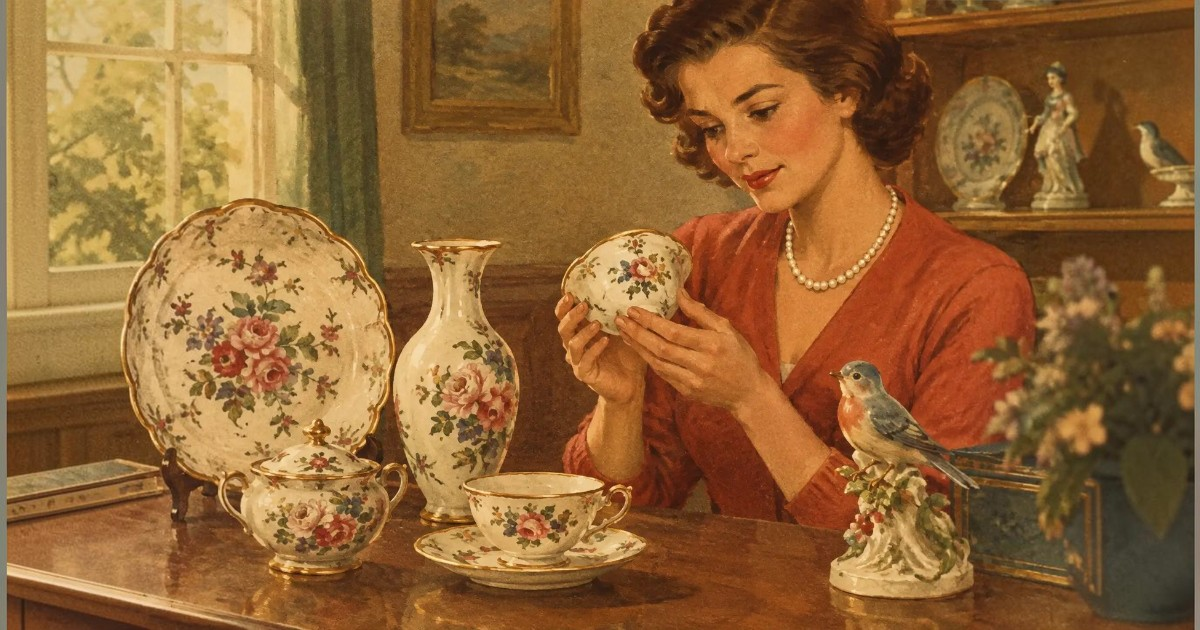
A true hand painted china collectible has a way of slowing you down. You notice the brushwork first - a rose petal shaded by hand, a fine gilt line that is not quite machine-perfect, a tiny flourish that makes one plate or vase feel distinct from the next. That individuality is part of the appeal. These pieces were not made to look identical, and for collectors, decorators, and nostalgic shoppers, that is exactly the point.
Hand-painted china sits in a particularly attractive corner of the vintage world because it offers both beauty and evidence of touch. Some pieces were produced by major porcelain houses and then decorated by studio artists or hobbyists. Others came from small workshops, giftware makers, or cottage-industry traditions where floral sprays, scenic motifs, and gold accents turned functional tableware into keepsakes. The result is a category with real range, which is exciting, but it also means value is rarely based on one factor alone.
What makes a hand painted china collectible desirable?
Desirability usually comes from a mix of decoration, condition, form, and context. A hand-painted cabinet plate with rich florals and raised gold may appeal to a traditional collector, while a delicate tea cup with airy forget-me-nots may draw someone styling a guest room shelf or a cottage-inspired kitchen. The object matters, but so does how it feels in the hand and how easily it fits into a home.
Collectors tend to respond strongly to visible craftsmanship. Brushstrokes, enamel detail, gilded edges, and carefully painted flowers all suggest time and skill. Even modest pieces can be appealing when the painting is lively and balanced. A simple dish with especially good color and composition may hold more decorative value than a larger but less graceful example.
Maker names can help, though they do not settle everything. Limoges blanks decorated by hand, Nippon examples, Bavarian porcelain, Austrian and German china, and American hand-decorated pieces all have active followings. But unsigned or lesser-known wares should not be dismissed too quickly. In vintage retail, some of the most charming pieces are valued less for pedigree than for visual presence.
How to identify a hand painted china collectible
The first step is to turn the piece over. Marks on the base can reveal maker, country of origin, and sometimes an approximate date range. You may find factory marks, decorator marks, artist signatures, pattern numbers, or import stamps. A piece marked “hand painted” is a useful starting point, but the phrase itself does not guarantee exceptional age or rarity. It simply tells you the decoration was presented as hand-applied.
After the mark, study the decoration closely. Hand painting often shows slight variation in line, shading, and placement. Repeating motifs may be similar but not identical. Gold trim may show tiny inconsistencies where a brush was used. On floral china, petals may have layered color rather than flat printed uniformity. If the design appears perfectly repeated across every visible surface, transfer printing may be involved, though some pieces combine printed outlines with hand-painted enhancement.
Signs worth looking for
Wear can tell a useful story. Gentle rubbing to gold rims, minor utensil marks on serving pieces, and age-related surface wear may support authenticity, especially on older decorative china. At the same time, heavy wear lowers value. Hairlines, chips, restored breaks, crazing, and staining all matter, and some matter more than others depending on the piece. A rare signed vase may survive a little condition forgiveness. A common trinket dish usually will not.
The quality of the blank also plays a role. Fine porcelain tends to have a smoother body, thinner walls, and a more translucent appearance than heavier commercial wares. Better blanks often carried better decoration, though not always. Some hobby-painted china from the early to mid-20th century is deeply appealing because of its personal, almost intimate character, even when the porcelain itself is not elite.
Age, rarity, and why they do not always move together
Many buyers assume older automatically means more valuable. In reality, age helps most when it is paired with strong decoration, desirable form, good condition, and proven demand. A late 19th-century hand-painted bowl with elegant roses and elaborate gilding may command real interest. A much older but plain or damaged piece may not.
Rarity also needs context. Some pieces are scarce because few survived. Others are scarce because few people wanted to keep them. That is not the same thing. A hand painted china collectible becomes more compelling when rarity meets beauty or collector demand. Holiday china, portrait plates, dresser sets, vanity wares, and signed floral porcelain all have niches where rarity can matter, but buyers still respond first to visual charm.
This is where decorating value enters the picture. A vintage hand-painted vase that works beautifully on a mantel or sideboard can sell well even if its exact origin is modest. People collect with their eyes as much as their reference books. For a curated shop like Latent Hart, that decorative pull is part of the object’s story, not separate from it.
Common types of hand painted china collectibles
Some categories appear again and again because they were made to be gifted, displayed, or brought out for special use. Cabinet plates remain especially popular, often featuring roses, violets, fruit, birds, or scenic centers framed by ornate borders. Tea cups and saucers attract both dedicated collectors and casual buyers because they display beautifully in small spaces.
Vases, pitchers, trinket dishes, celery trays, and dresser pieces also hold steady appeal. The best examples tend to have a clear decorative identity. Maybe it is a spray of pink roses against ivory porcelain. Maybe it is cobalt with gold scrollwork. Maybe it is a softer, cottage-style wildflower palette that feels easy to mix with books, framed prints, and old silver.
China painting from hobby and studio traditions deserves a closer look as well. During the late 19th and early 20th centuries, china painting became a respected decorative art practice, especially among women who studied floral composition and porcelain decoration. These pieces can carry unusual motifs and lovely handwork. They may not always bring the same prices as factory-decorated European porcelain, but they often have warmth and individuality that collectors appreciate.
Condition and value in the real market
Condition is where sentiment and market logic meet. A collector may happily overlook a tiny fleabite on the underside of a beloved plate, especially if the front display remains strong. But chips on rims, visible cracks, major paint loss, or obvious repairs generally reduce desirability. Gilding wear is common and often tolerated if the piece still presents well.
Scale matters too. Larger hand-painted china can be harder to ship and display, which sometimes tempers value. Small pieces such as cups, plates, and vanity items are easier to live with and gift. On the other hand, a tall vase or centerpiece bowl with dramatic painting may justify the extra space if it has real presence.
Market value also shifts with taste. Formal porcelain categories can soften while cottage, romantic, and highly decorative examples stay attractive. Signed pieces, unusual colorways, and objects with seasonal or storybook charm often stand out online because they photograph well and feel distinctive at a glance.
Buying with both your eye and your instincts
If you are considering a hand painted china collectible, start by asking what kind of pleasure it offers. Is it a true collector piece tied to a known maker or period? Is it primarily decorative? Is it a gift that carries memory and softness rather than investment potential? Those answers shape what matters most.
For some buyers, the thrill is in the mark on the underside and the history behind it. For others, it is the way a single plate changes a wall arrangement or the way a floral sugar bowl makes a shelf feel finished. Both approaches are valid. Vintage collecting is at its best when knowledge sharpens your eye without draining the romance from the object.
A well-chosen piece of hand-painted china does more than fill a cabinet. It holds a little evidence of attention - the painter’s hand, the era’s taste, the care of whoever kept it safe long enough to reach another home. If you find one that still has that quiet spark, it is worth paying attention to.